What "raw milk cheese" means in Australia
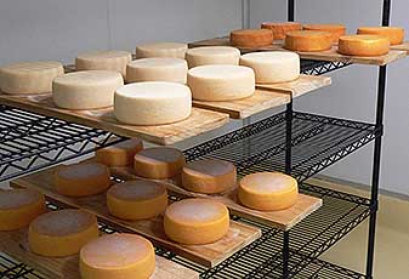
It helps to be clear on the rules first. In Australia, the sale of raw (unpasteurised) milk for drinking is not permitted. However, certain cheeses made from raw or thermised milk can be produced and sold legally, provided the cheesemaker follows the specific manufacturing and safety controls set out by FSANZ (Food Standards Australia New Zealand). These are typically hard, aged styles where the make process and maturation meet defined standards. For the current detail, refer directly to FSANZ guidance on raw-milk cheese production.
So when Perth cheesemakers talk about "raw milk cheese," they mean cheese made under these permitted, regulated conditions — not raw drinking milk. If you're specifically after raw drinking milk, note that any product marketed as "bath milk" or "cosmetic milk," or offered through a herd-share arrangement, is sold on that basis and not as food. This page focuses on cheese.
What Perth-area cheesemakers typically offer
WA's artisan cheese scene leans heavily on goat and sheep dairies as well as cows, and many operations are small farmhouse producers. Common products include:
- Aged hard cheeses — the styles most likely to fall under permitted raw-milk rules.
- Fresh curd, chèvre and soft goat cheeses — usually made from pasteurised milk.
- Feta, halloumi-style and marinated cheeses, often sold in oil or brine.
- Washed-rind and mould-ripened cheeses at the more experimental end.
The two producers featured on this page — Koonac Goat Farm in Margaret River and Bookara Goat Dairy near Dongara/Geraldton — are both regional goat operations. As small farm-based businesses, their ranges and availability can change seasonally, so it's always worth contacting them directly to confirm what's currently made and how it's sold.
How they sell
Small WA cheesemakers reach customers in a few typical ways:
- Farm gate: Buying directly at the property, often the freshest option and a chance to see the operation. Hours are usually limited, so check ahead.
- Farmers markets: Perth has several weekend markets (for example around the metro and the South West) where regional cheesemakers hold stalls. This is the easiest way to taste before buying.
- Independent grocers and delis: Some producers wholesale to specialty food shops and providores.
- Delivery or online orders: Aged cheeses travel better than fresh, so mail-order is more common for hard styles.
- Food co-ops and buying groups: Some co-ops carry local cheese or can order it in for members.
Because raw-milk-style cheeses have specific handling requirements, availability of those particular products is narrower than for general farmhouse cheese.
Typical price ranges
Pricing varies widely by style, size and where you buy. As a rough guide only — and it changes over time — expect:
- Fresh soft goat cheese / chèvre: around $8–$16 per tub or log.
- Feta and marinated styles: roughly $10–$20 depending on size.
- Aged hard cheeses: commonly $50–$90 per kilo, sold in smaller wedges.
Artisan and small-batch cheeses sit at the higher end because of the labour, ageing time and small production runs involved. Treat these figures as ballpark only; confirm current prices with the producer or stall.
How to choose a supplier
A few things separate a supplier worth returning to:
Organic or certification claims. If a producer advertises as organic, look for genuine certification such as ACO (Australian Certified Organic) or NASAA. A certification number or logo you can verify is more meaningful than an unbacked "organic" label. Plenty of good farms are spray-free or low-input without full certification — that's fine, but they should be able to explain their practices honestly.
Transparency. Good producers are happy to talk about their herd, their feed, milking practices and how each cheese is made. Openness about which cheeses are raw-milk versus pasteurised is a good sign.
Reviews and reputation. Newer listings may have few or no reviews yet — that isn't a red flag on its own, but it's worth asking around at markets, checking social media, or simply tasting for yourself.
Freshness and storage. At markets, cheese should be kept cold and well presented. Ask about best-before dates and how to store what you buy.
Questions worth asking
When you contact or visit a cheesemaker, consider asking:
- Which of your cheeses are made from raw or thermised milk, and which are pasteurised?
- Is the milk from your own herd, and what do the animals eat?
- Are you certified organic (ACO/NASAA), spray-free, or conventional — and how do you describe your practices?
- How long is this cheese aged, and how should I store it?
- Do you sell at farm gate, markets, or by delivery — and what's available this season?
Featured on this page
This page features Koonac Goat Farm (Margaret River) and Bookara Goat Dairy (near Dongara/Geraldton). Both are regional goat producers; contact them directly for current products, availability and pricing, as small farm ranges shift through the year.