What raw-milk cheese means in Australia
In Australia, the sale of raw (unpasteurised) drinking milk for human consumption is not permitted. However, Food Standards Australia New Zealand (FSANZ) does allow certain raw-milk cheeses to be made and sold, provided producers meet strict processing and safety requirements set out in the Food Standards Code. This is why you'll see some artisan cheesemakers describe particular hard or aged cheeses as "raw milk" while the same producers cannot sell you a bottle of raw milk to drink.
If you want to understand exactly which products are permitted and the conditions attached, the FSANZ website is the authoritative source. It's worth a read before you go shopping so you know what to expect on a market stall or at a farm gate.
What Sunshine Coast cheesemakers typically offer
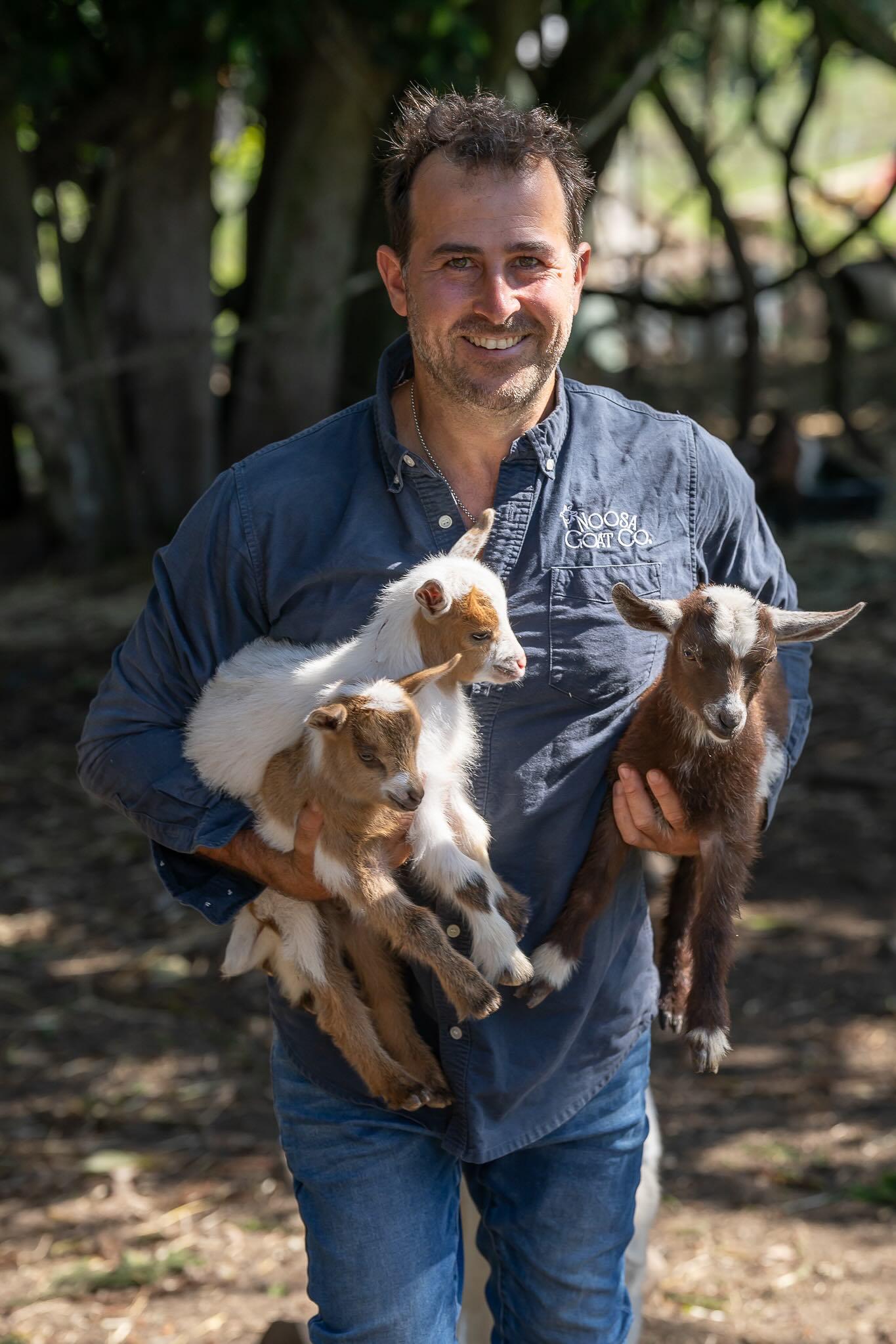
Around the Sunshine Coast and its hinterland, cheesemakers tend to work with cow's and goat's milk, and sometimes sheep's milk. This page features producers such as Noosa Goat Co at Black Mountain in the Noosa hinterland. Expect a mix of styles depending on the maker:
- Fresh cheeses — chèvre, curd, fromage frais, feta and haloumi-style cheeses. These are usually made from pasteurised milk and sold young.
- Aged and hard cheeses — cheddar-style, alpine and washed-rind cheeses. Some of these may be made in a raw-milk style where FSANZ rules permit.
- Farmhouse specialties — small-batch cheeses that vary seasonally with the milk supply.
Many local goat and cow dairies are small operations, so range and availability change through the year. Kidding and calving seasons affect milk supply, which in turn affects what's on the shelf.
How they sell
Artisan cheesemakers on the Sunshine Coast reach customers in a few common ways:
- Farm gate — buying directly from the property, often by appointment or during set opening hours. This is the best way to see how things are made.
- Farmers markets — regular stalls at markets around Noosa, Maleny, Eumundi, Kawana and Caloundra. Markets are a good place to taste before you buy and talk to the maker.
- Local stockists — independent grocers, delis, wholefood shops and providores that carry regional cheese.
- Delivery or click-and-collect — some producers offer local delivery boxes or courier despatch of hard cheeses that travel well.
You may also come across herd-share or similar arrangements advertised by some dairies. These are marketed in various ways and are separate from over-the-counter cheese sales — always check the details and the current legal position via FSANZ before committing.
Typical price ranges
Prices vary widely with style, ageing time and milk type, so treat the following as a rough guide only — always confirm current pricing with the producer:
- Fresh chèvre and curd: around $8–$15 per small tub or log
- Feta and marinated cheeses: around $10–$18
- Haloumi-style: around $10–$16
- Aged and hard cheeses: often $50–$90 per kg, sold in wedges
Artisan and raw-milk-style cheeses generally sit at the higher end because of the labour, ageing time and small batch sizes involved. Goat and sheep milk cheeses often cost more than cow's milk equivalents due to lower milk yields.
How to choose a supplier
A few things help you separate genuine artisan producers from the rest:
- Organic certification — if a producer claims their milk or feed is organic, look for certification through bodies such as ACO (Australian Certified Organic) or NASAA. Certification means the claim has been independently audited.
- Transparency — good producers are happy to tell you about their herd, feed, pasture management and how each cheese is made. Vague answers are a red flag.
- Freshness and provenance — ask when the cheese was made and where the milk comes from. Single-farm or on-farm dairies can usually trace milk to their own herd.
- Reviews and reputation — local reviews and word of mouth at markets are useful, though newer producers may have few reviews yet. That doesn't mean the cheese isn't good — it just means fewer people have rated them.
Questions worth asking
When you're at the farm gate or a market stall, these questions will tell you a lot:
- Is this cheese made from raw or pasteurised milk?
- What breed of animal and what type of milk is it?
- How long has it been aged?
- Do you make it on your own farm, and where does the milk come from?
- Is your milk or feed certified organic, and by whom?
- How should I store it, and how long will it keep?
- What's the best way to order between markets — delivery, farm gate or a stockist?
Asking these keeps you informed and rewards the producers who are open about their practices. As always, check FSANZ guidance if you have any questions about what's permitted, and buy from suppliers who are clear about how their cheese is made.