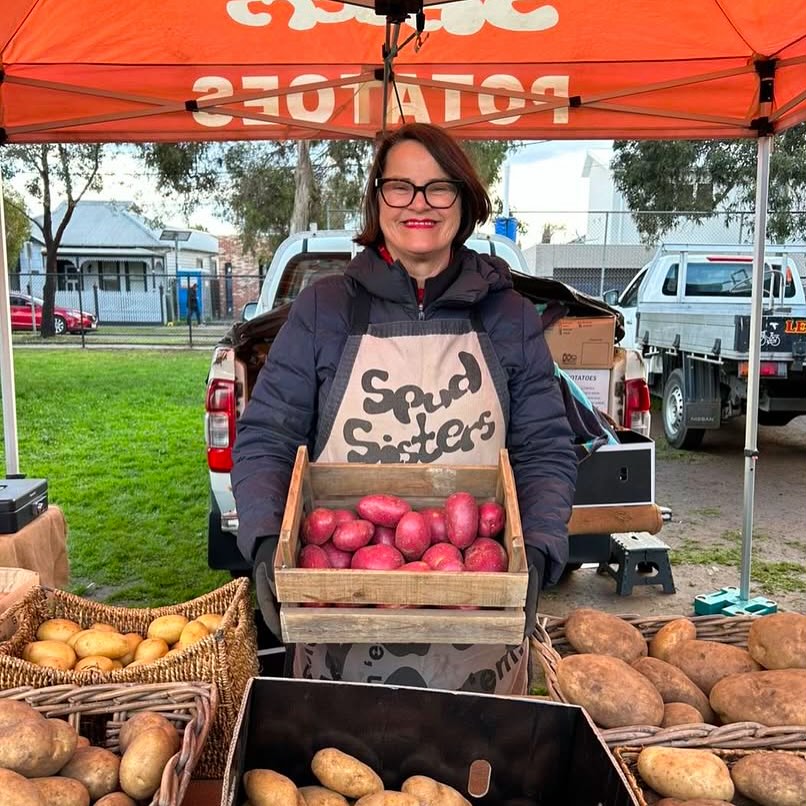
Best Farmers Markets in Melbourne

Melbourne and its surrounding regions have a strong network of accredited farmers and growers markets where producers sell direct to the public. This guide covers what to expect, how suppliers sell their goods, rough price ranges, and how to pick a supplier you can trust. The page features listings including Bellarine Farmgate, Castlemaine Farmers Market, Talbot Farmers Market, the Carlton Farmers Market and the Slow Food Melbourne Farmers Market at Spotswood.

Category
Suburb
7 producers in Melbourne
Bellarine Farmgate
1. Bellarine Farmgate
5.0(7)· Bellarine Peninsula

Not-for-profit co-operative of 50+ Bellarine growers and producers running a regular farmgate market; vendors include certified organic market gardens (Bellagreen, Birdland) and spray-free growers.

Bellarine Peninsula, VIC
Castlemaine Farmers Market
2. Castlemaine Farmers Market
5.0(3)· Castlemaine

Central Victorian institution: monthly market on the first Sunday (9am-1pm) plus weekly Wednesday market (2.30-5.30pm). Fresh, local, seasonal producers including growers from the nearby Harcourt organic farming community (Harcourt Organic Farming Co-op region); vegetables, fruit, bread, dairy, honey, eggs, meat.

Castlemaine, VIC
Joe's Market Garden (CERES)
3. Joe's Market Garden (CERES)
4.7(72)· Coburg (Melbourne)
Certified Organic

Historic 2-acre certified organic market garden on the Merri Creek, farmed continuously since the 1860s. Farm gate open Friday & Saturday 9am-1pm with fresh organic produce, coffee and u-pick flowers in spring/summer.

Coburg (Melbourne), VIC
Talbot Farmers Market
4. Talbot Farmers Market
4.6(433)· Talbot
Certified Organic

One of regional Victoria's earliest farmers markets (since 2004), 3rd Sunday monthly 9am-1pm, 100+ stallholders. Stallholder criteria discourage wasteful plastic and encourage nil or minimal chemical use; organic vendors include Daylesford Cider (ACO), Long Paddock Cheese (certified organic), Bullarook Creek Farm and Stoney Creek Oils.

Thriving Foods Farm
5. Thriving Foods Farm
4.6(5)· Koo Wee Rup
Certified Organic

Regenerative, certified organic, chemical-free family-run market garden at Koo Wee Rup & Iona. Seasonal vegetable boxes delivered to south-eastern and eastern Melbourne suburbs, plus pastured eggs and farmers market stalls (incl. Victoria Farmers Market circuit).

Koo Wee Rup, VIC
Carlton Farmers Market (Melbourne Farmers Markets)
6. Carlton Farmers Market (Melbourne Farmers Markets)
4.3(125)· Carlton North

Weekly Saturday market (8am-1pm) run by not-for-profit Melbourne Farmers Markets with a stated focus on certified organic and biodynamic produce; many stallholders are certified organic farmers. MFM also runs Coburg Farmers Market (Sat) and Alphington Farmers Market (Sun 9am-1pm).

Carlton North, VIC
Slow Food Melbourne Farmers Market
7. Slow Food Melbourne Farmers Market
No ratings yet· Spotswood

Accredited farmers market run by Slow Food Melbourne on the 4th Saturday of every month (9am-1pm), built on the 'good, clean and fair food' ethos; roughly 60 vetted vendors including organic pork and seasonal produce direct from Victorian farmers (formerly held at Abbotsford Convent).

Spotswood, VIC

What Melbourne farmers markets typically offer

Farmers and growers markets around Melbourne bring producers face to face with shoppers, cutting out the middle handlers you'd find in a supermarket supply chain. At a typical market you'll find seasonal fruit and vegetables (often spray-free or certified organic), pasture-raised eggs, meat and poultry, honey, bread and baked goods, cheese and other dairy, preserves, cut flowers and small-batch pantry items like flour, oils and ferments.

Many accredited markets — such as those run by Melbourne Farmers Markets, which operates the Carlton Farmers Market at Carlton North — require stallholders to grow, raise or make what they sell. That accreditation is worth looking for, because it means the person behind the stall can usually tell you exactly how the food was produced.

Regional markets like Talbot Farmers Market and Castlemaine Farmers Market draw producers from central Victoria and the goldfields, while Bellarine Farmgate reflects the coastal growing region of the Bellarine Peninsula. The Slow Food Melbourne Farmers Market at Spotswood follows the international Slow Food emphasis on local, seasonal and traditionally produced food.

How producers sell

There are several common arrangements you'll come across:

  • Market stalls — the most common. Producers set up weekly, fortnightly or monthly at a fixed site. You pay cash or card on the day.
  • Farm gate — some listings, such as Bellarine Farmgate, centre on buying directly from or near the farm. Hours can be limited, so check before you drive out.
  • Delivery and box schemes — many producers now offer home delivery or weekly seasonal produce boxes, often ordered online and collected at a market or dropped to your door.
  • Co-ops and buying groups — some communities run food co-ops that aggregate orders from multiple farms, which can lower prices and reduce packaging.
  • Herd-share and similar arrangements — occasionally offered by dairy suppliers. Note that in Australia raw (unpasteurised) milk cannot be sold for human consumption. Some suppliers market raw milk only as cosmetic or "bath" milk, or through share arrangements. This guide describes how these products are marketed and makes no claims about them; for the current rules and safety information, see FSANZ guidance.

Typical price ranges

Prices vary a lot by season, certification and producer, so treat the figures below as a rough guide only, not a quote:

  • Seasonal vegetables: roughly $4–$10 per kg or bunch
  • Fruit: roughly $5–$12 per kg depending on season
  • Pasture-raised eggs: roughly $8–$14 a dozen
  • Honey: roughly $10–$20 for 500g
  • Artisan bread: roughly $6–$12 a loaf
  • Meat and poultry: varies widely; expect to pay more than supermarket prices for pasture-raised or free-range cuts
  • Cheese and small-batch dairy: roughly $8–$15 per portion

Direct-from-producer buying doesn't always mean cheaper. What you're often paying for is freshness, traceability and growing methods that cost more to maintain. Prices can spike after floods, droughts or a poor season, so ask the grower what's driving a change.

How to choose a supplier

Look for certification where organic claims are made. If a stall labels produce "certified organic," it should be able to name its certifier — the two main Australian bodies are Australian Certified Organic (ACO) and NASAA. "Spray-free" or "chemical-free" are not certified terms, so ask the grower what they actually mean by them.

Value transparency. A good producer will happily explain how they grow or raise their food — what they spray or don't, how animals are fed and housed, and where the farm is. Vague or evasive answers are worth noting.

Read reviews, but read them sensibly. A market like Talbot Farmers Market with hundreds of reviews gives you a broad picture, while a newer or smaller listing with few reviews simply hasn't been rated much yet — that's not a mark against it. Use reviews for patterns (reliability, quality, friendliness) rather than one-off complaints.

Check the practicalities. Confirm the market's day, frequency and hours before you go. Some run weekly, others monthly. Parking, dog policies and card facilities vary.

Questions worth asking

  • Did you grow or make this yourself, or is it bought in?
  • Where is your farm, and can I visit or see it online?
  • Is this certified organic, and who is your certifier?
  • If it's "spray-free," what does that mean in practice for this crop?
  • How were the animals raised and fed?
  • When was this picked, baked or made?
  • Do you offer a box scheme, delivery or pre-orders?

Asking these questions is normal at a farmers market and most producers welcome it. Direct contact with the grower is the whole point of shopping this way — it's the easiest way to know what you're actually buying.

Other categories in Melbourne

Or read the full farmers markets guide, or browse all Melbourne producers.

Frequently asked questions

How often do Melbourne farmers markets run?

It varies by market. Some run weekly, others fortnightly or monthly. Regional markets like Talbot and Castlemaine often run monthly, while city markets such as Carlton run on a regular weekly or monthly cycle. Always check the specific market's schedule before you go.

Is the produce at farmers markets always organic?

No. Some producers are certified organic (look for ACO or NASAA certification), some are spray-free, and others use conventional methods. "Spray-free" and "chemical-free" aren't certified terms, so ask the grower directly what their practices involve.

Are farmers markets cheaper than supermarkets?

Not necessarily. Some staples can be cheaper, but pasture-raised meat, eggs and certified organic produce often cost more than supermarket equivalents. You're generally paying for freshness, traceability and growing methods, not the lowest price.

Can I buy raw milk at a Melbourne farmers market?

Raw (unpasteurised) milk cannot legally be sold for human consumption in Australia. Some suppliers market raw milk only as cosmetic or "bath" milk, or offer share arrangements. For current rules and safety information, refer to FSANZ guidance.

What should I bring to a farmers market?

Bring reusable bags or a basket, a cooler bag for perishables, and cash as a backup even though many stalls now take card. Arriving early gives you the best choice, while late in the day can sometimes mean discounts on remaining stock.