What Launceston farmers markets typically offer
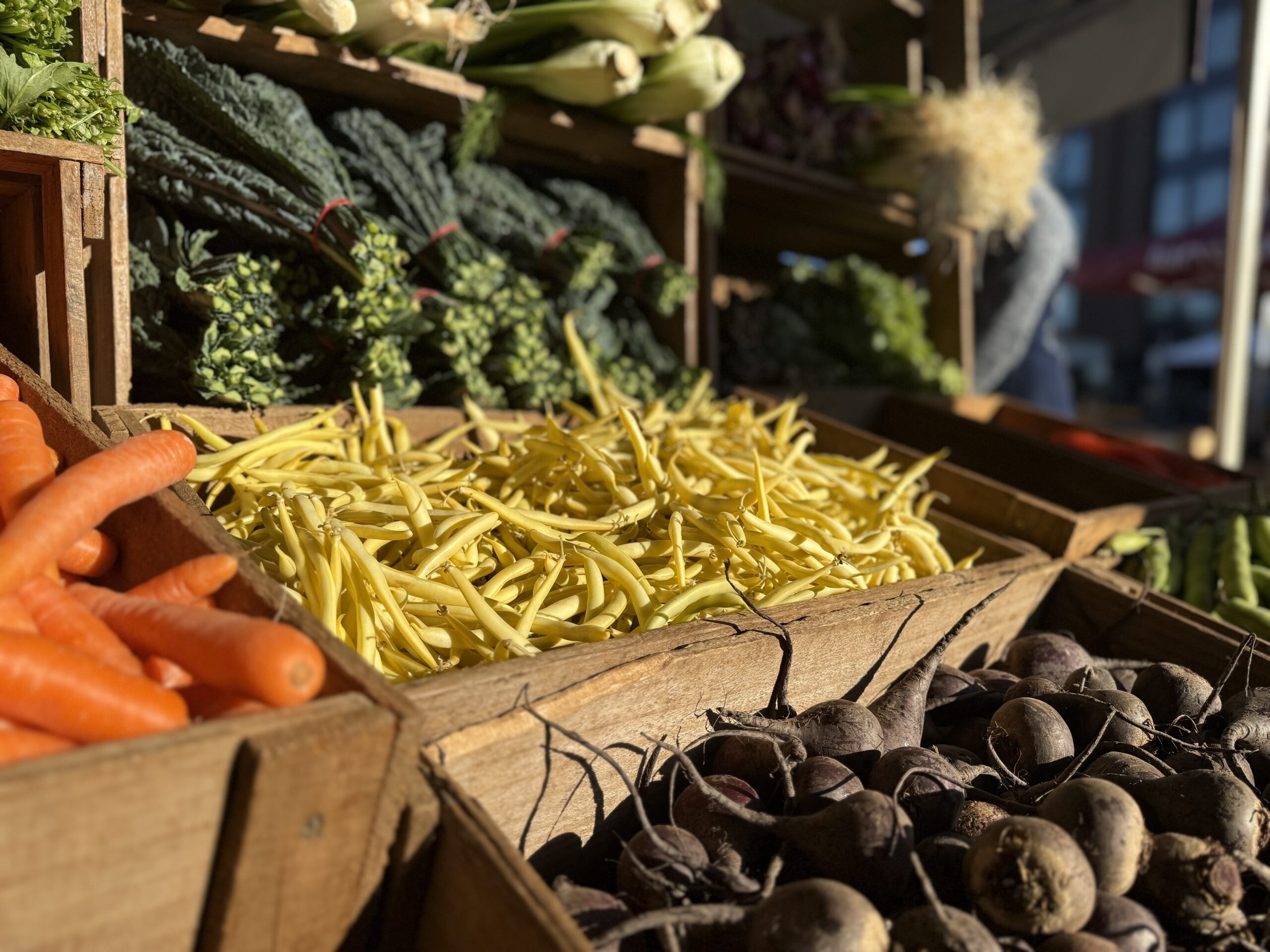
Farmers markets around Launceston bring together local growers, bakers, butchers, cheesemakers, and small-batch producers who sell direct to the public. On any given market day you can expect seasonal fruit and vegetables, pasture-raised eggs, honey, sourdough and other baked goods, preserves, plants and seedlings, and often coffee and hot food to eat on the spot. Tasmania's cool climate means the produce mix shifts noticeably through the seasons, with berries and stone fruit in summer and brassicas, root vegetables and apples through the cooler months.
This page features Harvest Market Launceston and the Harvest Launceston Community Farmers' Market, both operating in the Launceston area. Harvest Launceston is a well-known Saturday community market that showcases Tasmanian producers.
How producers sell
Most vendors you meet at a Launceston market sell through more than one channel. The common ones are:
- Market stalls — the direct face-to-face option, where you can talk to the grower and see the range on the day.
- Farm gate — some producers also sell from the farm itself, which can be handy for bulk buys or produce that doesn't travel to market.
- Delivery and online orders — a growing number of local producers take pre-orders online for pickup at the market or offer home delivery within the region.
- Co-ops and box schemes — some growers band together or run subscription vegetable boxes, giving you a weekly mix of whatever is in season.
- Herd-share and similar arrangements — occasionally offered by small dairy producers (more on raw milk below).
Asking a stallholder how else they sell is worth it — you'll often find you can order ahead or arrange larger quantities outside market hours.
Typical price ranges
Prices at farmers markets reflect small-scale, local production and can sit above or below supermarket prices depending on the item and season. As a rough guide only — and these will vary with the season, the season's yield and the individual producer:
- Seasonal vegetables: around $3–$8 per bunch or kilo
- Fruit: around $4–$12 per kilo or punnet
- Free-range or pasture-raised eggs: around $7–$12 a dozen
- Sourdough and artisan bread: around $6–$12 a loaf
- Honey: around $10–$20 for a standard jar
- Local cheese: around $8–$15 per portion
Treat these as ballpark figures. Prices move with supply, weather and demand, and premium or certified-organic lines usually cost more.
How to choose a supplier
With so many stalls to pick from, a few things help you sort out who suits you:
Certifications. If a producer claims their food is organic, look for recognised certification such as Australian Certified Organic (ACO) or NASAA. Certified producers can show their certification number and paperwork. Some smaller growers describe their produce as "spray-free" or "chemical-free" without formal certification — that's not the same as certified organic, so it's fair to ask what the term means to them.
Transparency about practices. Good producers are happy to explain how they grow their crops or raise their animals, where the farm is, and what goes into their products. Vague or evasive answers are a reason to ask more.
Reviews and reputation. Market and stall reviews give you a sense of consistency and quality. Harvest Market Launceston, for example, carries a strong review record, which can be a useful starting point.
Seasonality. A supplier selling genuinely local produce will have a range that changes through the year. Year-round uniformity can be a sign the goods are brought in rather than grown locally.
Questions worth asking
- Where is your farm, and did you grow or make this yourself?
- Is this certified organic, and can you show the certification? Or is it spray-free?
- What's in season right now?
- How was this grown or raised?
- Can I order ahead or buy in bulk, and do you deliver?
- When was this picked, baked or made?
Stallholders generally enjoy these conversations — direct selling is a big part of why they're at the market.
A note on raw (unpasteurised) milk
You may come across small dairy producers at or around markets. In Australia, raw (unpasteurised) milk cannot be sold for human consumption. Some suppliers market raw milk products as cosmetic or "bath milk," or offer herd-share arrangements. This guide describes only how such products are marketed — it does not recommend consuming raw milk or make any claims about it. For accurate, current information on milk safety and the law, refer to FSANZ (Food Standards Australia New Zealand) guidance.
Making the most of market day
Get there early for the best pick, especially for popular items that sell out. Bring your own bags and small change or a card, since not every stall takes cards. If you're after something specific, message the producer ahead through their social pages to check they'll be there and reserve stock. Above all, take the time to talk to the people growing and making your food — it's the main advantage a farmers market has over the supermarket shelf.